Water intrusion in carpets is a common but serious household issue. Whether caused by flooding, burst pipes, roof leaks, or simple spills, excess moisture trapped in carpet fibers and padding can quickly lead to mold growth, structural damage, and persistent odors. Acting promptly and methodically is essential to minimize damage and restore your carpet to a safe, usable condition. This guide provides a comprehensive, step-by-step approach to effectively removing water from your carpet and preventing long-term problems.
Understanding the risks of wet carpets

Before addressing the solution, it is important to understand why wet carpets demand immediate attention. Carpets are highly absorbent, and once water penetrates beyond the surface fibers into the padding and subfloor, drying becomes significantly more difficult. Within 24 to 48 hours, moisture can promote mold and mildew growth, which poses health risks and may require costly remediation. Prolonged dampness can also weaken adhesives, cause carpet delamination, and damage wooden subfloors.
Step 1: Ensure safety first
Safety should always be your first priority. If the water intrusion is extensive or caused by flooding, turn off electricity to the affected area to avoid electrical hazards. If the water source is contaminated (such as sewage or floodwater), wear protective gloves, boots, and masks, and consider professional assistance, as contaminated water presents serious health risks.
Step 2: Identify and stop the water source
Before attempting to dry the carpet, ensure the source of the water has been fully stopped. This may involve shutting off a water valve, repairing a leak, or waiting for external flooding to subside. Drying efforts will be ineffective if water continues to enter the area.
Step 3: Remove standing water
The most critical step in carpet water removal is extracting standing water as quickly as possible.
- Wet/Dry Vacuum: A wet/dry vacuum is one of the most effective tools for this task. Slowly pass the vacuum over the affected area multiple times to extract as much water as possible from both the carpet fibers and the padding beneath.
- Manual Absorption: For smaller areas or in the absence of a wet vacuum, use towels to blot the carpet. Apply firm pressure to absorb moisture, replacing towels frequently until no more water can be absorbed.
Avoid using standard household vacuums, as they are not designed to handle water and may pose electrical risks.
Step 4: Lift and assess the Carpet Padding
In cases of significant water exposure, surface drying alone is insufficient. Carpet padding acts like a sponge and can retain moisture long after the surface appears dry. Carefully lift a corner of the carpet to assess the padding underneath.
If the padding is heavily saturated, it may need to be removed and replaced, as fully drying it can be impractical and may leave behind odors or bacteria. In mild cases, padding can sometimes be dried with aggressive airflow and dehumidification.
Step 5: Promote air circulation
Effective airflow is essential for thorough drying.
- Fans: Position high-velocity fans to blow air across the carpet surface. Angle them to maximize airflow across the wet area rather than directly downward.
- Open Doors and Windows: If weather and humidity levels permit, opening windows and doors can improve ventilation and accelerate evaporation.
- HVAC System: Running your home’s air conditioning system can help reduce indoor humidity and support drying efforts.
Consistent airflow over 24 to 72 hours is often necessary, depending on the severity of water exposure.
Step 6: Use dehumidifiers to remove moisture
While fans move air, dehumidifiers actively remove moisture from it. This combination is far more effective than airflow alone. Place one or more dehumidifiers in the affected room and allow them to run continuously until humidity levels return to normal. Empty the water reservoir frequently or use a unit with a continuous drainage option.
Step 7: Clean and sanitize the carpet
Once the carpet is thoroughly dry, cleaning and sanitizing are essential to prevent odors and microbial growth.
- Carpet Shampooing: Use a carpet cleaner or shampoo designed for your carpet type to remove dirt and residues left behind by water.
- Disinfecting Treatments: Apply an antimicrobial or disinfectant solution approved for carpets to inhibit mold and bacteria growth. Follow manufacturer instructions carefully to avoid damaging fibers.
This step is particularly important if the water source was not clean.
Step 8: Monitor for mold and odors
Even after drying, continue to monitor the area for signs of mold or mildew, such as musty smells or discoloration. If odors persist, it may indicate moisture remains trapped beneath the carpet or in the subfloor. In such cases, professional inspection and remediation may be required.
Step 9: Preventing future issues
After the crisis is over, take steps to ensure it doesn’t happen again:
- Check Appliance Hoses: Inspect washing machine and dishwasher lines annually.
- Maintain Sump Pumps: If your basement is prone to flooding, ensure your sump pump has a battery backup.
- Install Water Alarms: Small, inexpensive sensors can be placed near water heaters or under sinks to alert you to a leak the moment it starts.
How does our low-moisture method support faster recovery?
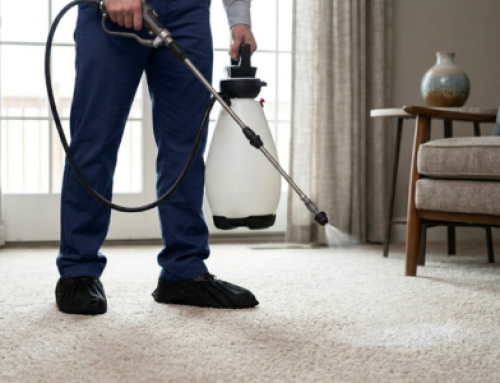
At Home Bright Carpet + Floor Care, we specialize in low-moisture cleaning methods designed to protect both carpet fibers and padding. By minimizing water usage, this approach supports faster drying times while still delivering thorough, professional results.
This method is ideal after minor water incidents and for ongoing maintenance. Homeowners throughout McKinney, Frisco, Prosper, Celina, Melissa, and North Collin County trust us for reliable carpet cleaning in McKinney that fits their busy schedules.
Get your carpets dry and clean today
Let the experts at Home Bright Carpet + Floor Care restore your home. Don’t let water damage or stubborn stains ruin your home’s comfort. Our low moisture eco-friendly carpet cleaning process gets you back on your rugs in just one hour. Whether you need routine maintenance or help after a spill, we serve McKinney and all of North Collin County with 15+ years of experience.
Call us today at 469-615-6624 or schedule your cleaning.